Beijing Famous Attractions
Explore Beijing's rich historical heritage and modern urban charm
The Palace Museum
The Forbidden City, also known as the Palace Museum, was the imperial palace during the Ming and Qing dynasties, located at the center of Beijing's central axis. It represents the pinnacle of ancient Chinese palace architecture and is one of the largest and best-preserved ancient wooden structures in the world.
Construction began in 1406 during the reign of Emperor Yongle of the Ming Dynasty. It covers 720,000 square meters with about 150,000 square meters of floor space, containing over 70 palaces and more than 9,000 rooms. The Palace Museum houses an extensive collection of ancient art treasures, totaling 1,052,653 pieces, accounting for one-sixth of China's total cultural relics.

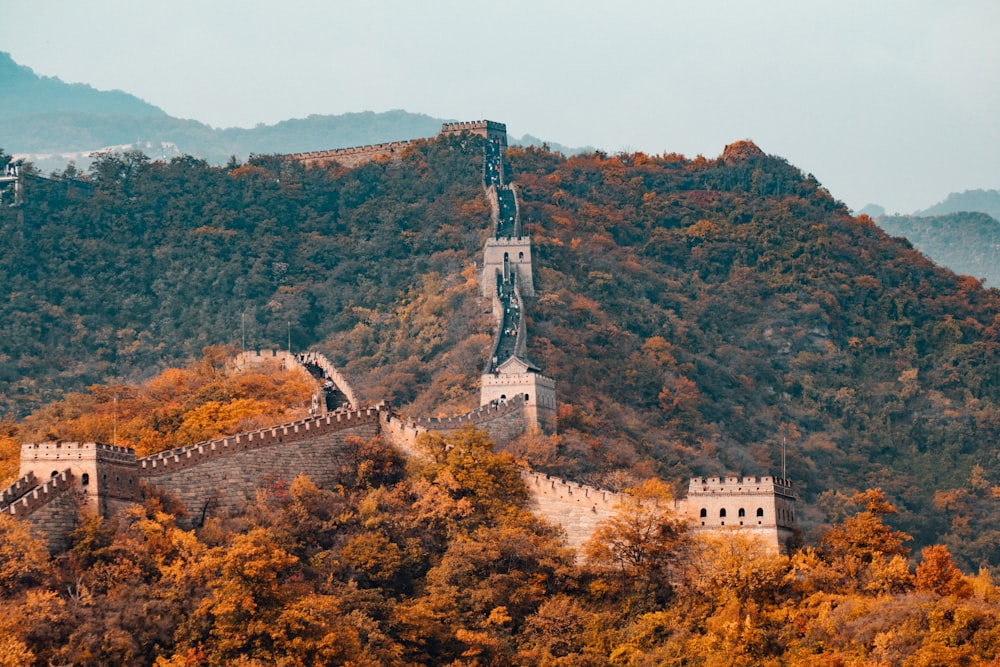
The Great Wall
The Great Wall is an ancient Chinese military defense structure, consisting of tall, sturdy and continuous walls designed to restrict enemy cavalry movements. It's not just an isolated wall but a comprehensive defense system combining walls with numerous fortresses, barriers, watchtowers and beacon towers.
The sections near Beijing were mainly built during the Ming Dynasty, with the most famous being Badaling and Mutianyu. Badaling represents the best-preserved and most iconic section of the Ming Great Wall, showcasing its finest features.

Temple of Heaven
The Temple of Heaven was where emperors of the Ming and Qing dynasties worshipped heaven and prayed for good harvests and rain. It represents the largest and highest-ranking sacrificial architectural complex from ancient China. First built in 1420 during the Ming Dynasty, it was renovated during the Qing Qianlong and Guangxu periods.
Covering approximately 2.73 million square meters, it consists of inner and outer altars. The main structures are in the inner altar, including the Circular Mound Altar and Imperial Vault of Heaven in the south, the Hall of Prayer for Good Harvests and Imperial Heavenly Vault in the north, all connected by the Danbi Bridge pathway.